Zygomycosis
Basic Information 
Synonym(s)
Phycomycosis, entomophthoromycosis, conodiobolosis, rhinophycomycosis, basidiobolosis, mucormycosis
Clinical Presentation


Physical Exam Findings
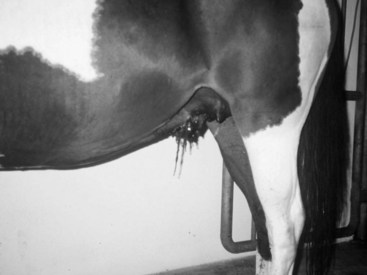
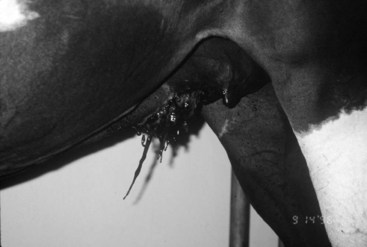
• Basidiobolus infects the lateral aspects of the head, neck, trunk, and body (Figures 1 and 2).
 Lesions are usually single and large, nodular eroded to ulcerative granulomas associated with moderate to severe pruritus and oozing of serosanguineous discharge.

• Conidiobolus affects almost exclusively the mucosa of the nares, nasal passages, and possibly the mouth and nasopharynx.


• Mucormycosis: Single or multiple ulcerated cutaneous granulomas of the limbs, muzzle, and lips
Etiology and Pathophysiology
• Zygomycetes are ubiquitous saprophytic fungi in soil and decaying vegetation and may be present as part of the normal flora of skin and haircoat of horses.
• Infection may be caused by several related fungal species belonging to two orders under the class Zygomycetes, phylum Zygomycota:


• Infections are thought to develop secondary to wound inoculations.
• After inoculation, the fungi develop in the dermis, resulting in a pyogranulomatous inflammation.

Stay updated, free articles. Join our Telegram channel

Full access? Get Clinical Tree


